The Building Safety Regulator in 2026: what changed and what it means for landlords
In January 2026 the Building Safety Regulator left the HSE and became a standalone body with its own enforcement powers. What the regulator does, what changed, and what building safety managers and social landlords should expect.
By Terry Bagust, Co-founder and Managing Director
The Building Safety Regulator (BSR) is the body created by the Building Safety Act 2022 to oversee the safety of higher-risk buildings in England, broadly, residential buildings of at least 18 metres or seven storeys. On 27 January 2026 it went through its biggest change since it was set up: it left the Health and Safety Executive, where it had operated since its creation, and became a standalone public body sponsored by the Ministry of Housing, Communities and Local Government.
This post sets out what the regulator actually does, what the January 2026 change involved, and, more usefully for anyone managing a portfolio of blocks, what it signals.
What the BSR does
The regulator wears three hats. It is the building control authority for higher-risk buildings, which means all new HRB construction and major refurbishment runs through its “gateway” approvals, most visibly Gateway 2, the pre-construction approval that has been a well-publicised bottleneck, and Gateway 3 at completion. It runs the occupation regime, under which every occupied HRB must be registered, must have a building safety case, and is called in for a building assessment certificate. And it oversees the wider competence and standards framework.
For social landlords, the second of those is the one that lands. Registration was the easy part; the call-in for assessment is where the evidence gets read.
What changed in January 2026
The reform was structural rather than a rewrite of the rules. The BSR became an independent executive body with its own board and chief executive, its own powers to bring legal proceedings, and its own ability to charge for its services. All existing functions transferred with it; gateway applications and building assessment certificate work carried on without interruption, and the HSE is providing transitional support through 2026.
None of the duties on landlords changed. The definition of a higher-risk building, the accountable person regime, the safety case requirement, all of it stands. What changed is the machinery behind enforcement, and the direction of travel it implies.
What it signals
It is worth being clear-eyed about why the change was made. The move responds to criticism, from industry and from government reviews, of slow approvals and an under-resourced regime inside the HSE. An independent regulator with fee-charging powers and a sponsoring department focused on housing is designed to be more muscular, not less.
For accountable persons and the building safety managers who work for them, the sensible planning assumptions are these. Expect the call-in programme to keep working through the registered stock, if your blocks have not been called yet, treat that as time to prepare rather than a reprieve. Expect scrutiny of safety case evidence to sharpen as the regulator matures; a report that leans on assumption where evidence was obtainable is the kind that gets sent back. Expect the cost of engaging with the regulator to be a real budget line, now that it can charge for its services. And expect targeted campaigns to continue: the regulator has already singled out particular construction types, large panel system blocks most prominently, for closer attention rather than working purely in registration order.
For project teams doing remediation or refurbishment on blocks in scope, the gateway regime remains the constraint it has been. The practical lesson of the last three years is that applications succeed on completeness: full, consistent structural information at Gateway 2, and a coherent golden thread at Gateway 3. On existing buildings, that standard of information often cannot be met from records alone, which is where investigation and testing enter the programme, and why they are better commissioned early than under a stalled application.
The evidence theme, again
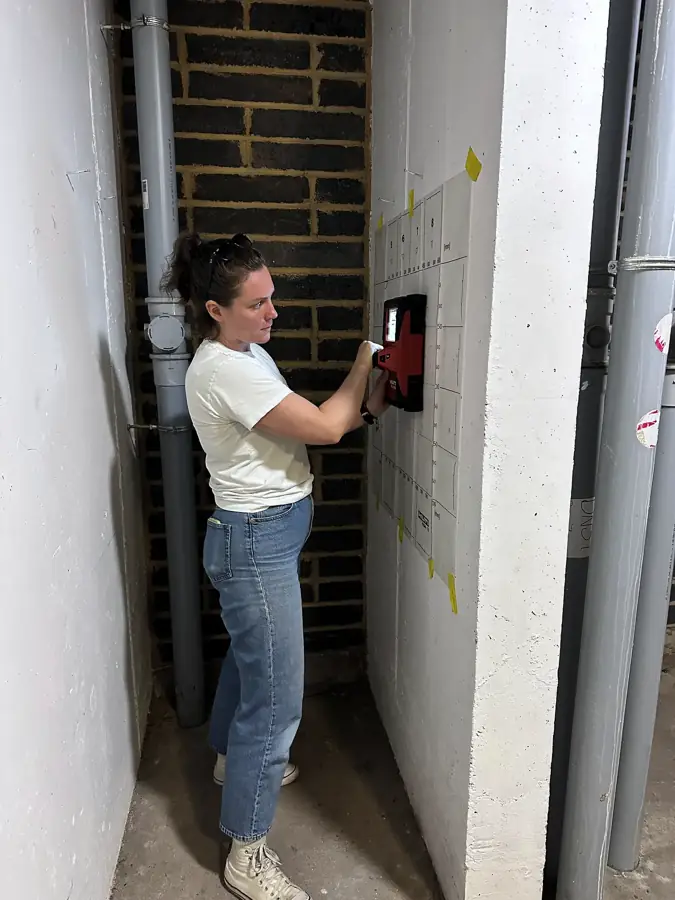
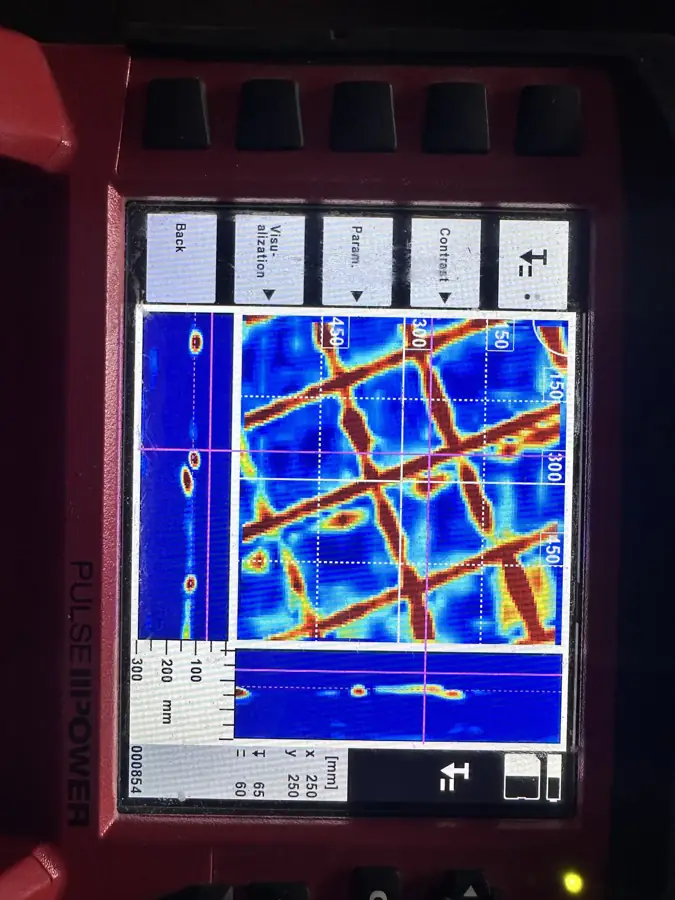
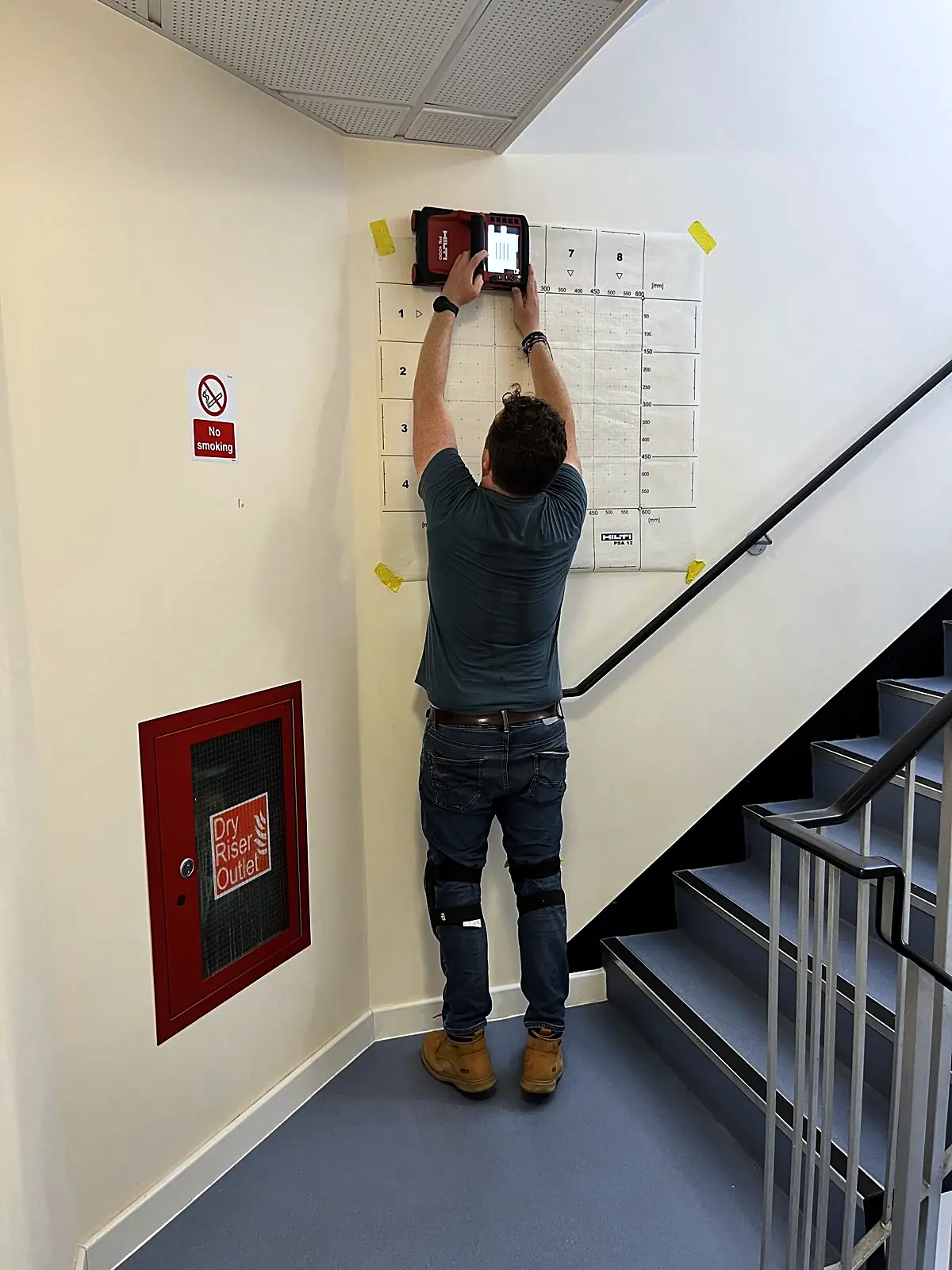
Across everything the BSR touches, one theme repeats: the regime runs on demonstrated knowledge of the building. The safety case asks landlords to evidence how their buildings are constructed and what condition they are in. The gateways ask designers to show their structural case before work starts. Where the records supporting either are missing or unreliable, the gap has to be closed from the building itself, by survey, scanning and testing that turn assumption into measurement.
That was true before January 2026. An independent, better-armed regulator simply raises the price of ignoring it.
Keeping up
The regime is still maturing, secondary legislation, guidance and the regulator’s own processes continue to evolve, and reforms announced in response to the Grenfell Inquiry’s final report are still working through. Anything in this article describes the position in mid-2026; for current requirements, check the regulator’s published guidance or take advice on your specific buildings. What is not going to change is the underlying demand: know your building, and be able to evidence it.
What this means for your job
For reinforcement and construction evidence from occupied blocks, without breaking out, see housing associations.