Concrete Testing & NDT
Strength, integrity, durability, measured properly, reported clearly.
Defensible strength numbers, not guesswork.
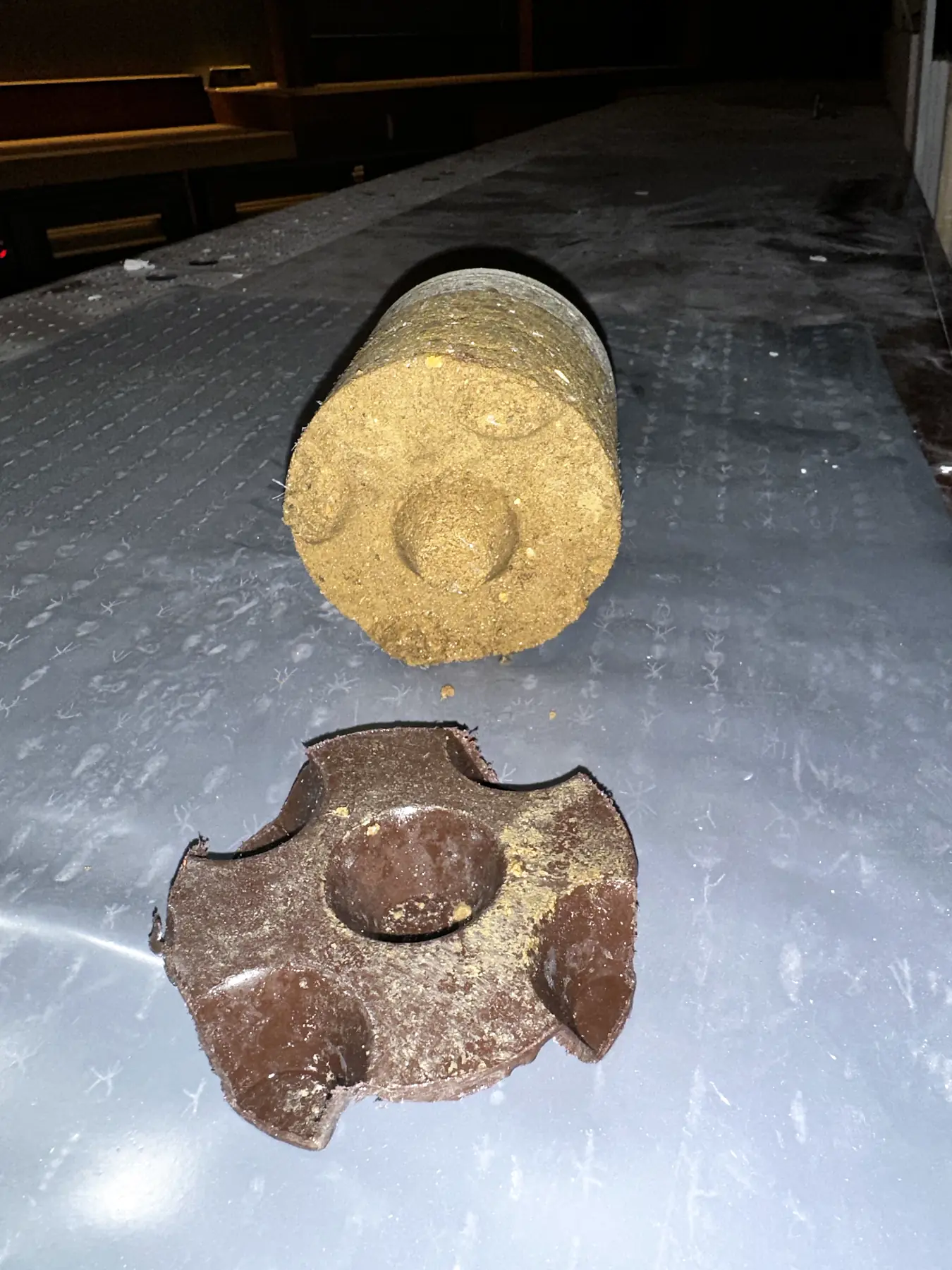
Concrete testing covers a family of methods used to assess strength, durability, and integrity in built concrete. We deliver non-destructive and intrusive testing methods, including rebound hammer testing, pull-out testing, core extraction, and laboratory compressive strength testing. Pull-out testing is semi-destructive and core extraction is intrusive.
Test selection follows the question being asked. For in-situ strength estimation we combine rebound hammer with pull-out for a calibrated answer. For definitive results we extract cores and test them in a UKAS lab. We design the testing programme to give you defensible numbers, not just data points.
Where it helps
- When concrete strength is in question
- After a defect or distress is observed
- Before structural alterations or change of use
- When the original mix design is unknown
- For dispute resolution and expert reporting
- When commissioning new works requires verification
What you receive
- Test method statement and risk assessment
- Field log with calibrated readings
- UKAS lab certificates for cored samples
- Statistical analysis and characteristic strength estimate
- Engineering-ready PDF report
A note on interpretation. Rebound hammer testing gives an indicative surface hardness; defensible compressive strength comes from cored samples tested in a UKAS laboratory. Pull-out testing is semi-destructive and core extraction is intrusive. Results support, but do not replace, your engineer's judgement.
Often surveyed together.
GPR Concrete Scanning
Ground penetrating radar finds rebar, post-tension cables, conduits, and voids hidden inside concrete, before they become a problem.
Learn moreFerro Scanning
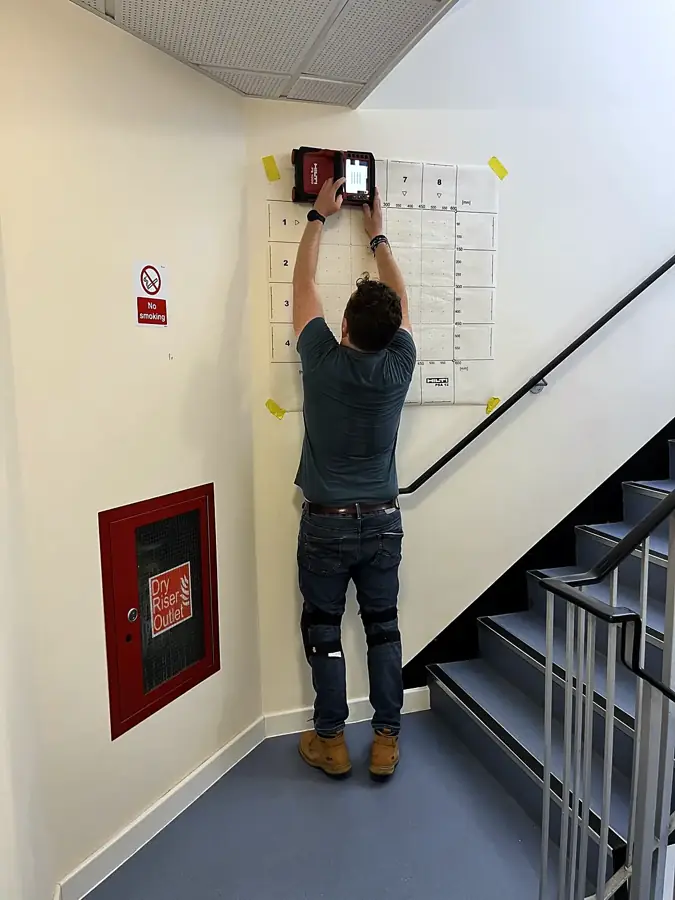
Electromagnetic scanning to map reinforcement, measure cover depth, and estimate bar diameter without touching the concrete.
Learn moreWhere concrete testing is the right tool.
Pull-Out Testing
Pull-out testing for in-situ concrete strength to BS EN 12504-3.
Learn moreRebound Hammer Testing
Schmidt hammer testing for surface hardness and strength estimation.
Learn moreCore Sampling
Core extraction for laboratory compressive strength testing in a UKAS facility.
Learn moreCompressive Strength Testing
Compressive strength assessment of cores in a UKAS-accredited laboratory.
Learn moreBuilt for the sectors that need it most.
Common questions.
Is concrete testing destructive?
Some methods are intrusive, core extraction and pull-out testing involve removing small samples. Rebound hammer testing is non-destructive. We'll advise which methods are appropriate for your structure.
How long does it take to get test results?
On-site results are available immediately for rebound hammer tests. Laboratory results from core samples typically take 5–10 working days.
When do I need to pay?
All surveys are invoiced by proforma. Full payment is required before we mobilise. We'll send the proforma invoice immediately on confirmation and works are scheduled once cleared funds are received.
Do your operatives have CSCS cards?
Yes. All Corvus operatives hold valid CSCS cards and carry full public liability insurance. We can provide method statements and RAMS on request.
What areas do you cover?
We cover the whole of the UK. Travel costs for sites outside London may apply, we'll confirm this when quoting.
Can you work in occupied buildings?
Yes. GPR and Ferroscan equipment is non-intrusive and silent. We regularly work in occupied offices, hospitals, and schools with minimal disruption.
Guides on concrete testing.
The Building Safety Regulator in 2026: what changed and what it means for landlords
In January 2026 the Building Safety Regulator left the HSE and became a standalone body with its own enforcement powers. What the regulator does, what changed, and what building safety managers and social landlords should expect.
Read article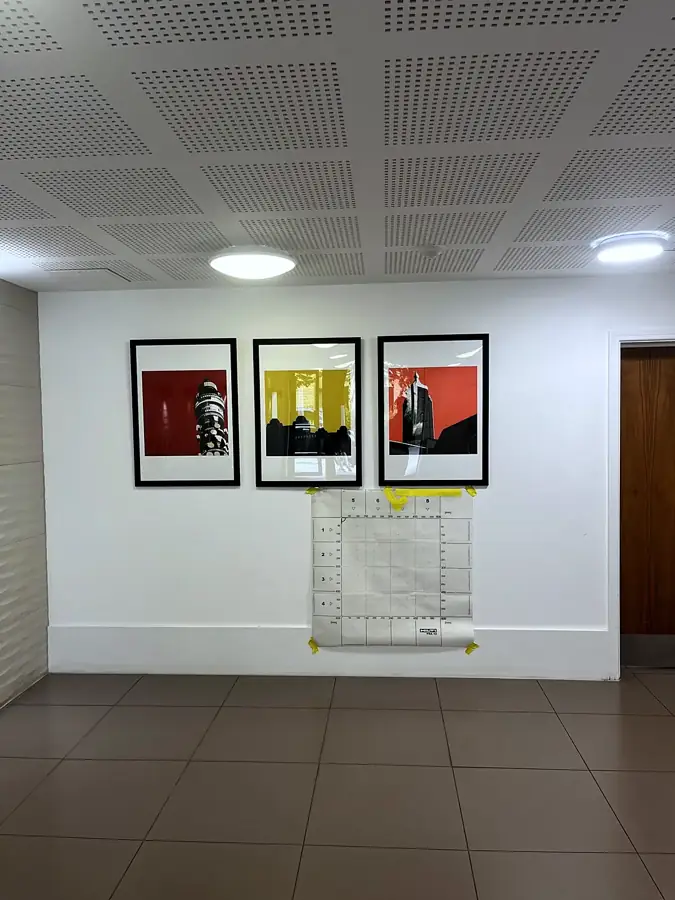
Safety case reports and missing as-built records: closing the evidence gap
A safety case report must describe how a higher-risk building is constructed and evidence its structural condition. When the as-built records are missing or unreliable, structural investigation is how building safety managers close the gap.
Read article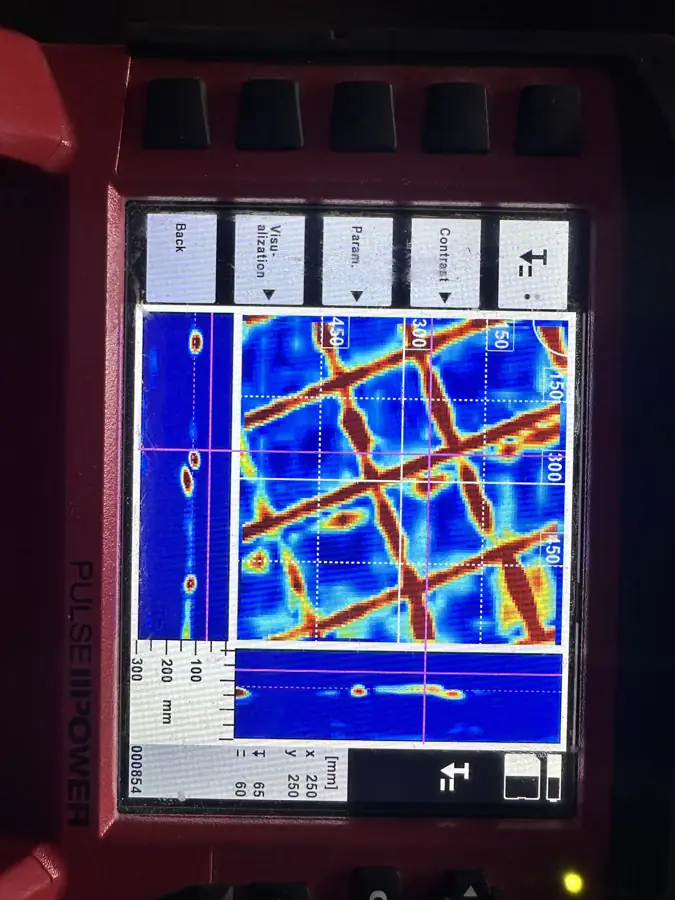
What is a building safety case? A plain-English guide for building safety managers
Every occupied higher-risk building must have a safety case: a live body of evidence showing that fire and structural risks are understood and managed. A practical guide for building safety managers, housing associations and social landlords.
Read article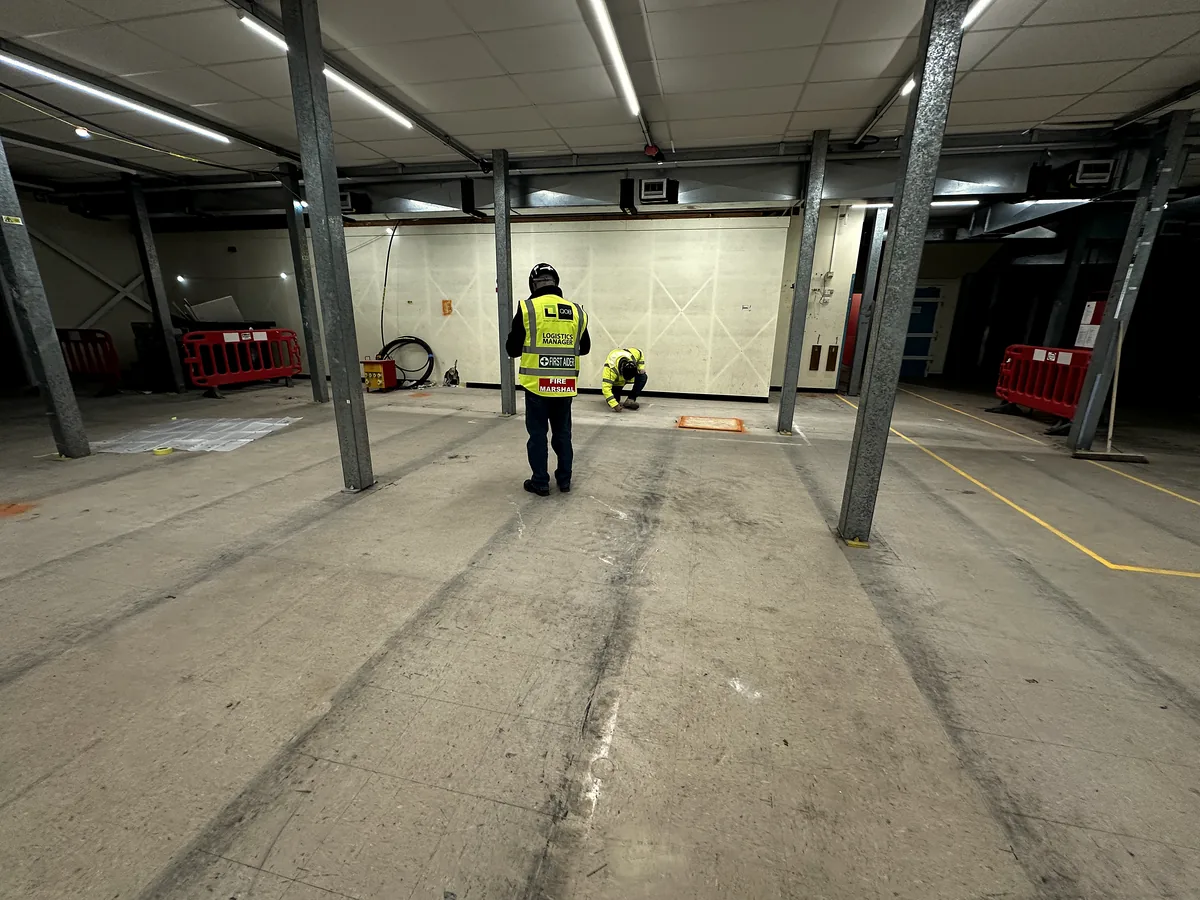
Concrete condition surveys, a complete guide
A concrete condition survey combines visual inspection, NDT, and sometimes sampling to build a picture of how a structure is performing. Here is how one is scoped and delivered.
Read article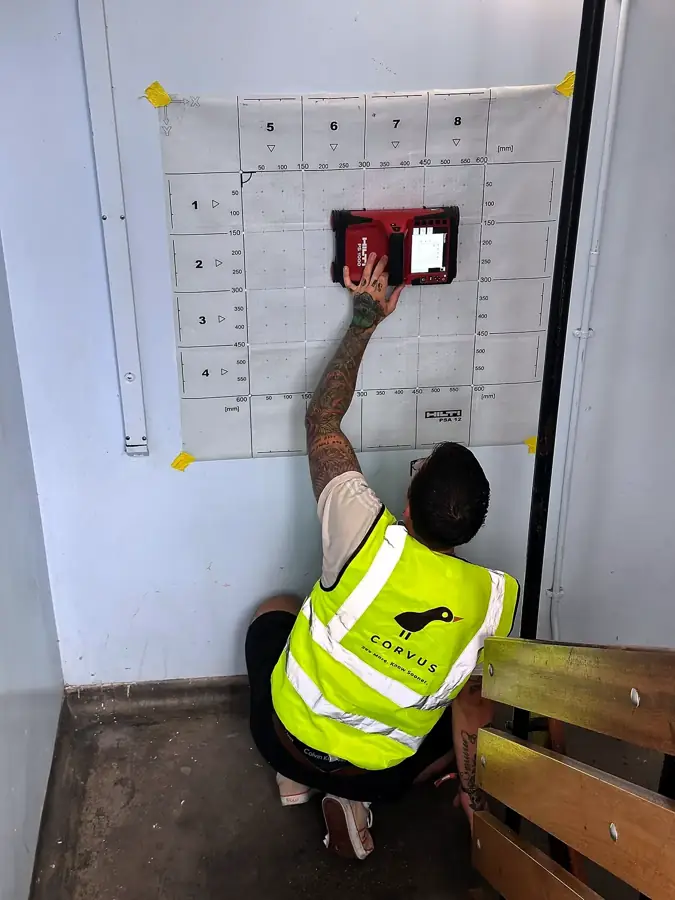
NDT and GPR for housing associations and social landlords
Why non-destructive testing suits housing associations, and how to integrate scanning and testing into a planned maintenance programme.
Read articleWhat is a pull-out test and when is it required
Pull-out testing for in-situ concrete strength explained: what it does, how it works, and when it is the right test for your project.
Read articleNeed defensible strength results?
Send drawings, photos or proposed fixing locations and we'll advise the right survey approach.