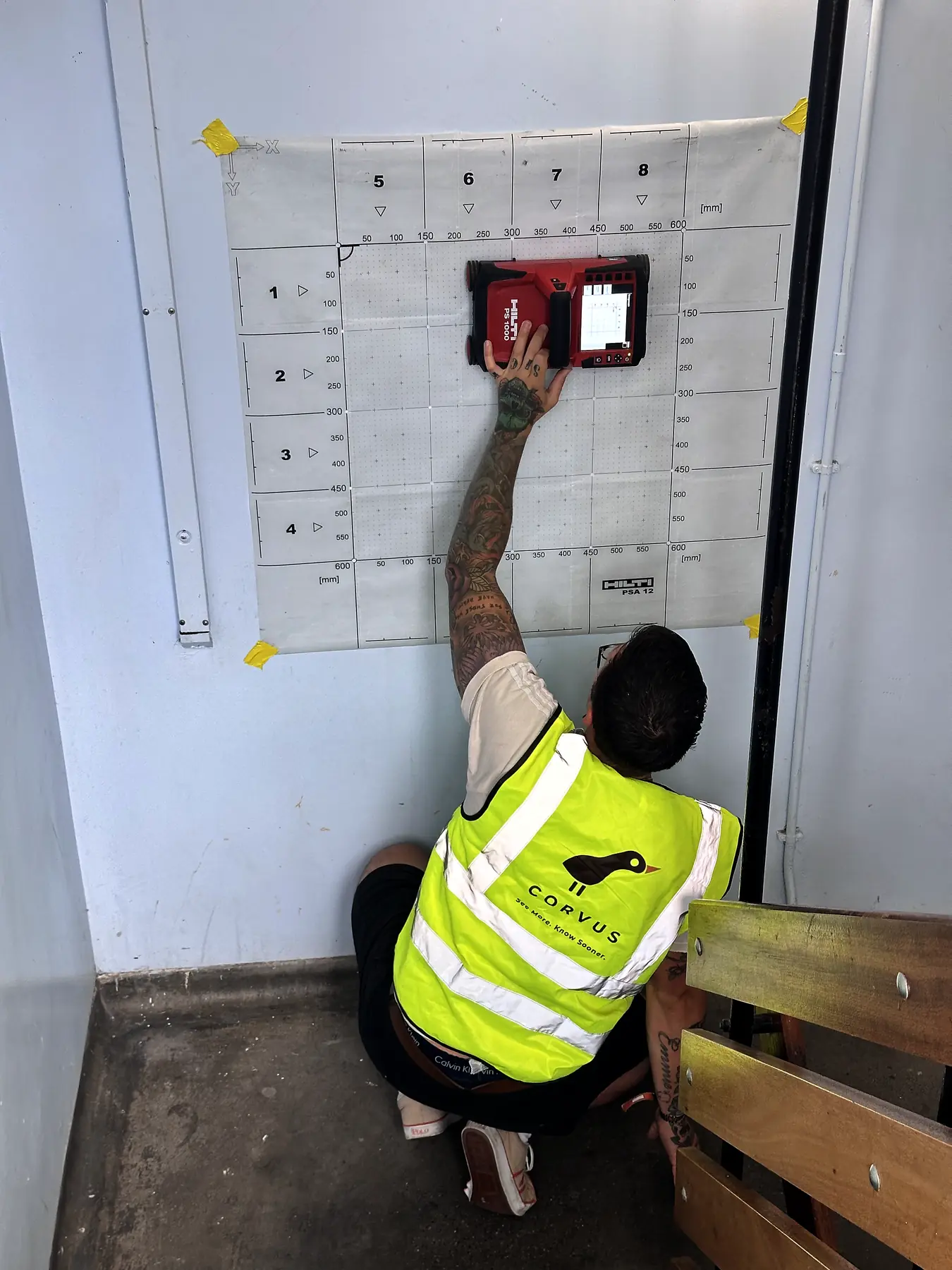
Ferro Scanning
Cover depth, bar spacing and reinforcement layout measured with high-resolution electromagnetic scanning.
Measure the cover before the fixing goes in.
Ferro scanning is high-resolution electromagnetic detection of ferrous reinforcement. It complements GPR by giving cover depth and bar spacing readings, with bar diameter estimated where conditions allow on dense or shallow reinforcement.
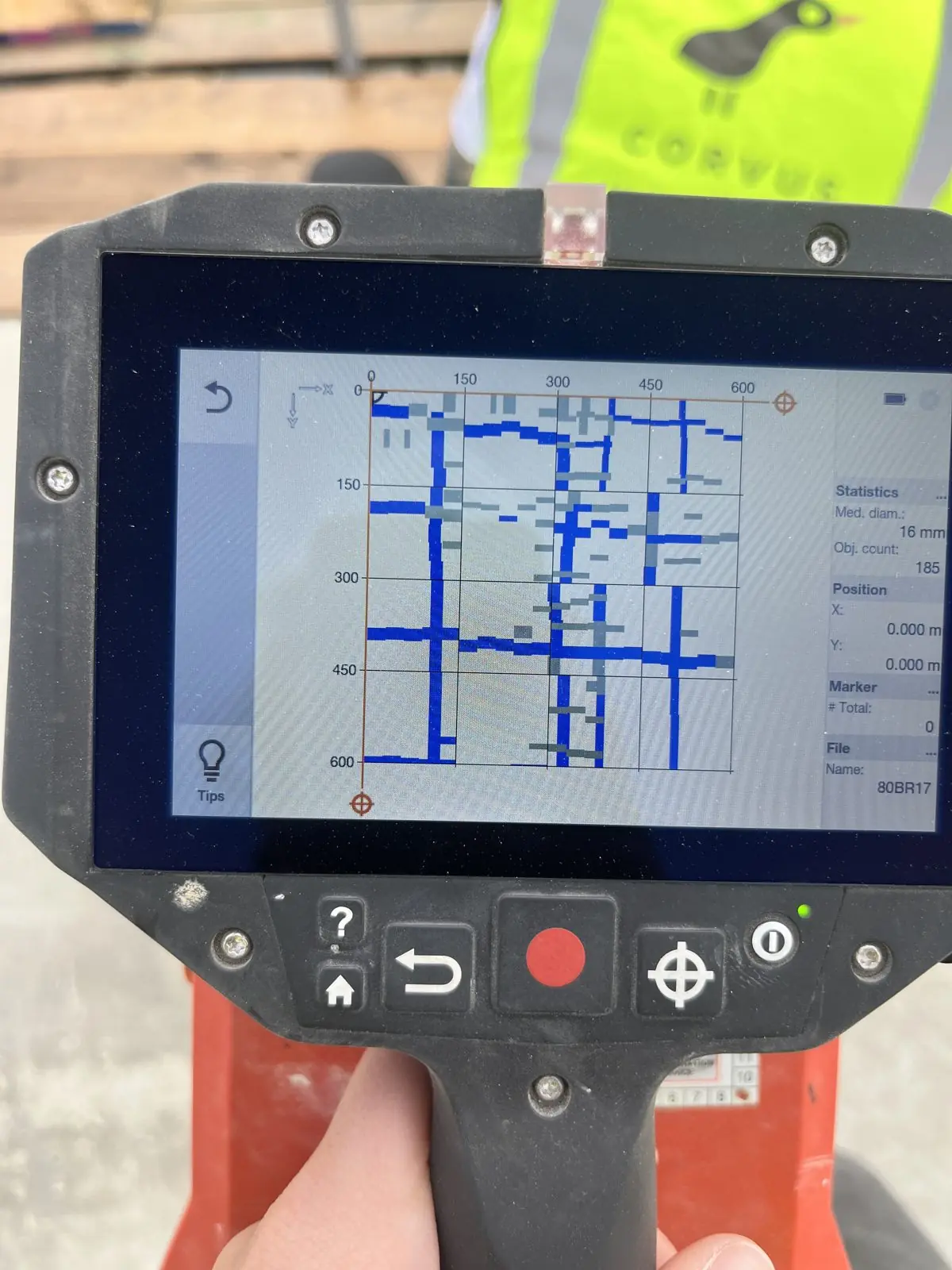
A handheld induction probe passes over the surface. As the field interacts with steel, the device records bar position, depth and diameter range. Data is logged and overlaid on a slab map. Calibration is checked on every job to keep readings within manufacturer tolerance.
Where it helps
- When cover depth must be verified for compliance
- Before drilling small-diameter fixings
- When GPR resolution is insufficient at shallow depth
- When a structural engineer needs reinforcement detail
- During defect investigation on a reinforced element
- For pre-condition surveys on heritage structures
What you receive
- Bar position plan with measured depths
- Estimated bar diameter table
- Cover-depth statistics versus design
- Annotated PDF report with photographs
- Digital plan in DXF / DWG
A note on interpretation. Ferro scanning measures cover depth and bar spacing; bar diameter is estimated where conditions allow. Readings are indicative of the reinforcement detected and should be verified against design before any compliance decision.
Often surveyed together.
GPR Concrete Scanning
Ground penetrating radar finds rebar, post-tension cables, conduits, and voids hidden inside concrete, before they become a problem.
Learn moreConcrete Testing
On-site non-destructive and intrusive testing methods, including rebound hammer testing, pull-out testing, core extraction, and laboratory compressive strength testing.
Learn moreWhere ferro scanning is the right tool.
Cover Depth
Measure cover depth to design and code requirements with calibrated electromagnetic equipment.
Learn moreBar Diameter Estimation
Estimate bar diameter without coring, useful when drawings are missing or out of date.
Learn moreRebar Spacing
Verify reinforcement spacing across slabs and walls for design conformance.
Learn moreReinforcement Mapping
Map reinforcement layout across walls, slabs, and beams.
Learn moreBuilt for the sectors that need it most.
Common questions.
How is Ferroscan different from GPR?
Ferroscan uses electromagnetic induction to detect reinforcement at specific scan lines, providing precise bar diameter estimates and cover depth readings. GPR gives a broader picture of the full scan area. We often use both together for the most complete data.
How long does a Ferroscan survey take?
A typical Ferroscan survey takes 2–4 hours depending on the number of scan areas. We'll advise on duration when you enquire.
When do I need to pay?
All surveys are invoiced by proforma. Full payment is required before we mobilise. We'll send the proforma invoice immediately on confirmation and works are scheduled once cleared funds are received.
Do your operatives have CSCS cards?
Yes. All Corvus operatives hold valid CSCS cards and carry full public liability insurance. We can provide method statements and RAMS on request.
What areas do you cover?
We cover the whole of the UK. Travel costs for sites outside London may apply, we'll confirm this when quoting.
Can you work in occupied buildings?
Yes. GPR and Ferroscan equipment is non-intrusive and silent. We regularly work in occupied offices, hospitals, and schools with minimal disruption.
Guides on ferro scanning.
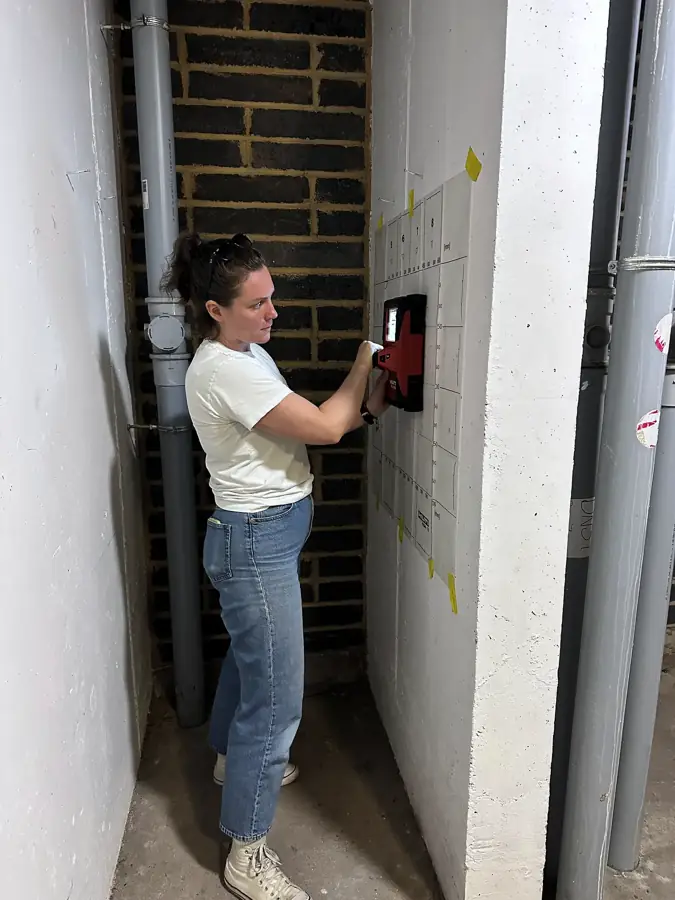
LPS blocks and the Building Safety Regulator: what structural evidence you actually need
Large panel system blocks are under specific scrutiny from the Building Safety Regulator. What social landlords and building safety managers need to evidence about LPS structures, and how that evidence is gathered in occupied homes.
Read article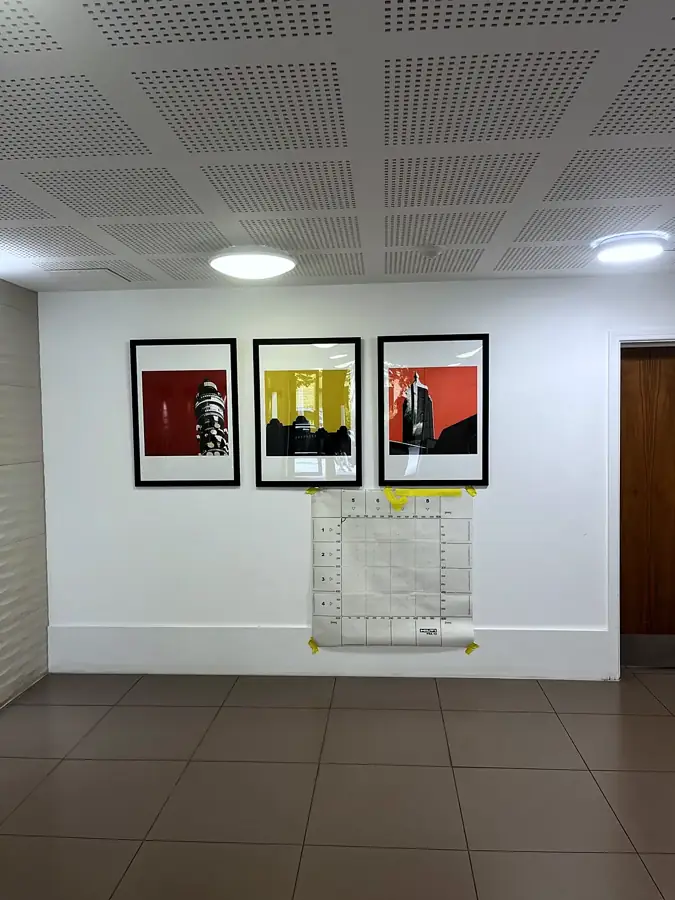
Safety case reports and missing as-built records: closing the evidence gap
A safety case report must describe how a higher-risk building is constructed and evidence its structural condition. When the as-built records are missing or unreliable, structural investigation is how building safety managers close the gap.
Read article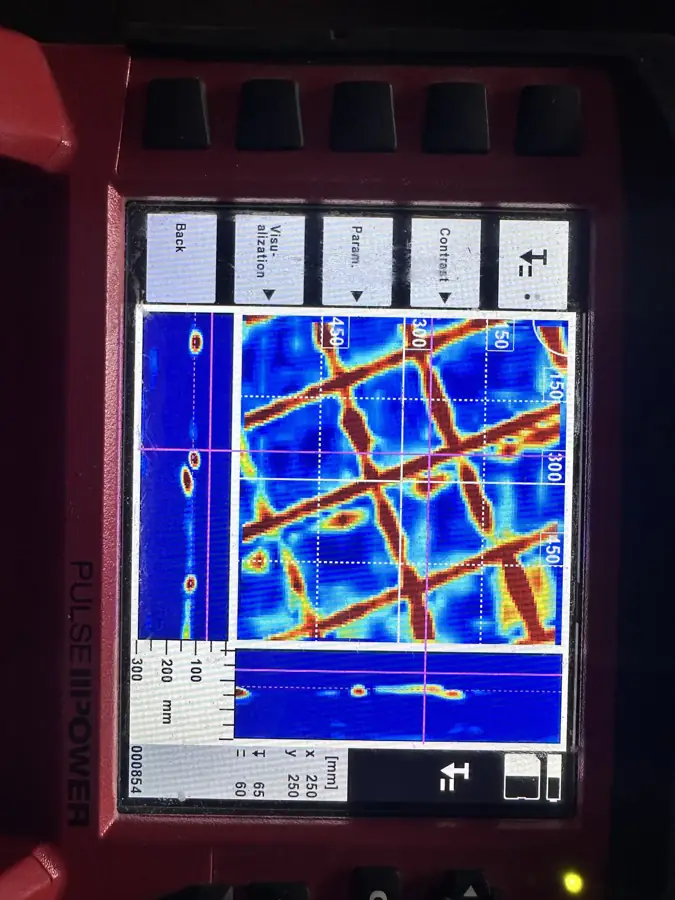
What is a building safety case? A plain-English guide for building safety managers
Every occupied higher-risk building must have a safety case: a live body of evidence showing that fire and structural risks are understood and managed. A practical guide for building safety managers, housing associations and social landlords.
Read article
Cover depth surveys, what the data tells a structural engineer
A cover depth survey produces numbers. Here is what a structural engineer does with those numbers and how to brief a survey so the data is actually useful downstream.
Read article GPR vs ferro scanning, which do you need
A side-by-side guide to GPR and ferro scanning. What each one does well, what each one does badly, and how to choose for your job.
Read article What is ferro scanning in construction
Ferro scanning explained: what it does, how it works, and when it is the right tool for reinforcement mapping and cover-depth measurement on UK construction work.
Read articleNeed cover depths you can trust?
Send drawings, photos or proposed fixing locations and we'll advise the right survey approach.