Know what’s in the concrete
before you drill it.
GPR and ferro scanning, and PAS 128 utility surveys. London and UK-wide.
Google ReviewsClients include
Surveys across England, Scotland and Wales
-

- Keyshel Interiors
-

- BTL Contracts
-

- B Batch Shopfitters
-

- MH Construction
-

- A&H Construction
-
 Pickerings Lifts
 - CA Drillers
-

- Orostream
- Bryco
- W B Griffiths & Son
Four things, done properly.
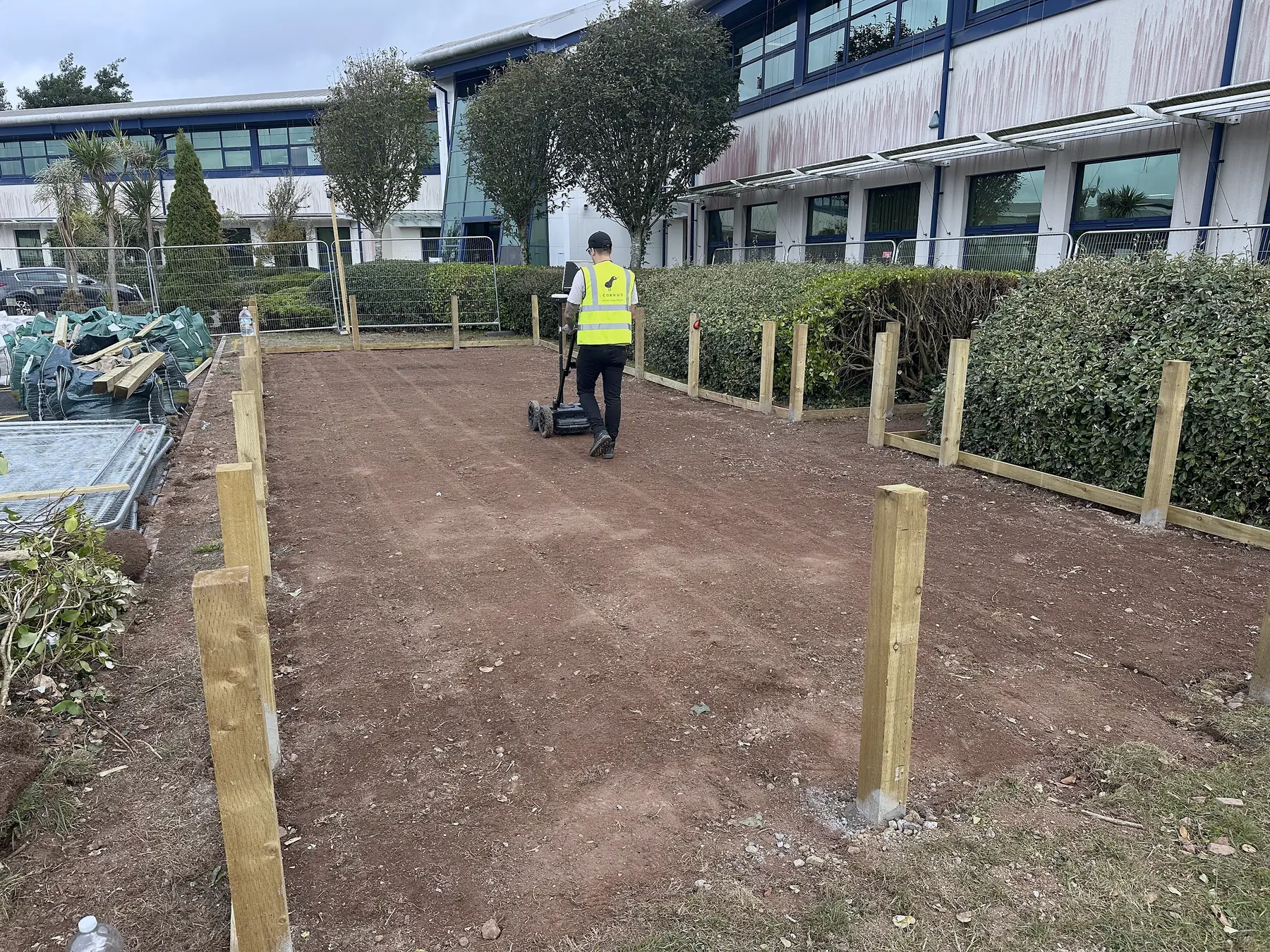
Scanning and testing for reinforced concrete, and utility detection for the ground beneath it. LiDAR and drone capture too, done by our own team, when the job needs it.
GPR Concrete Scanning
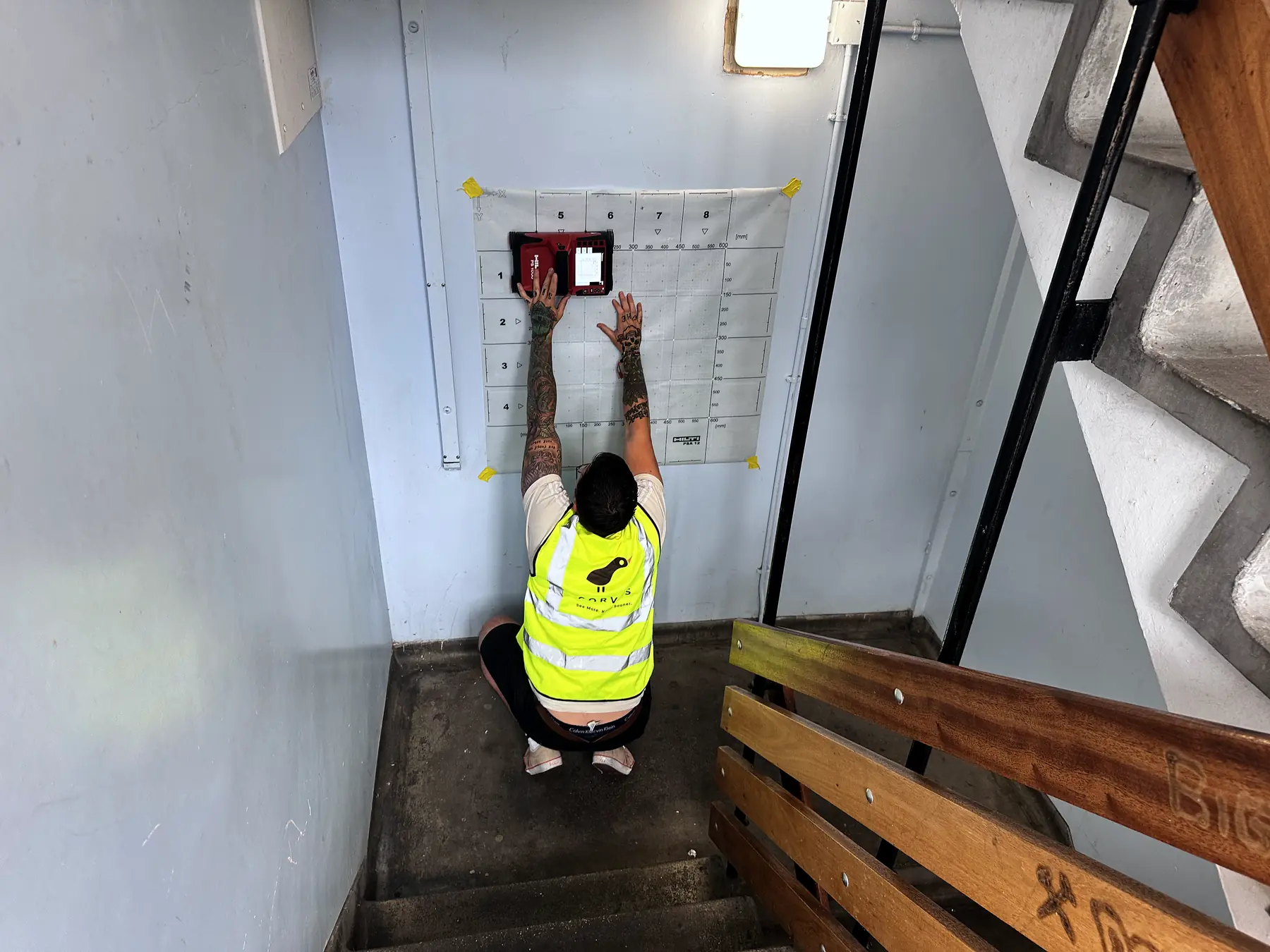
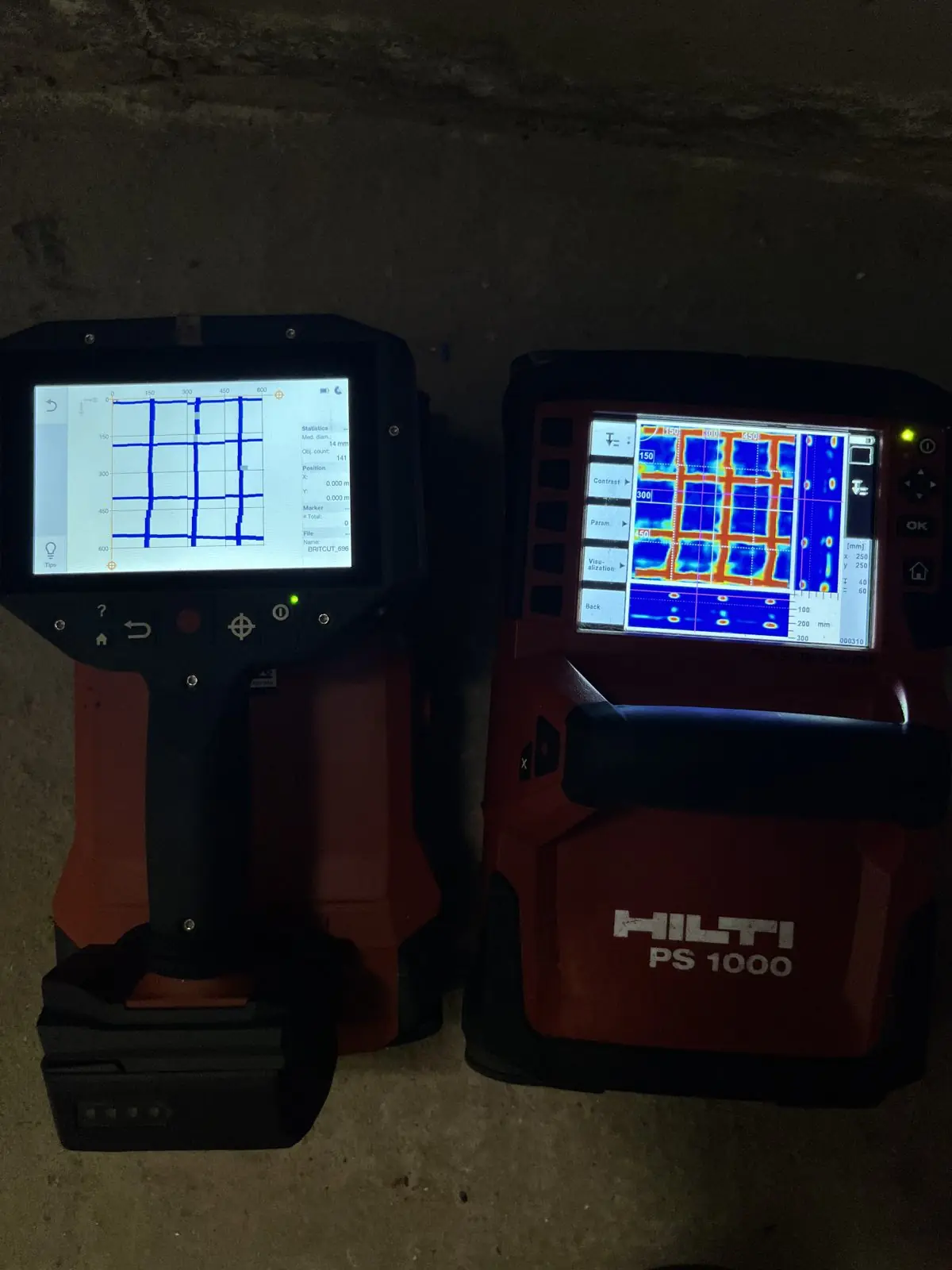
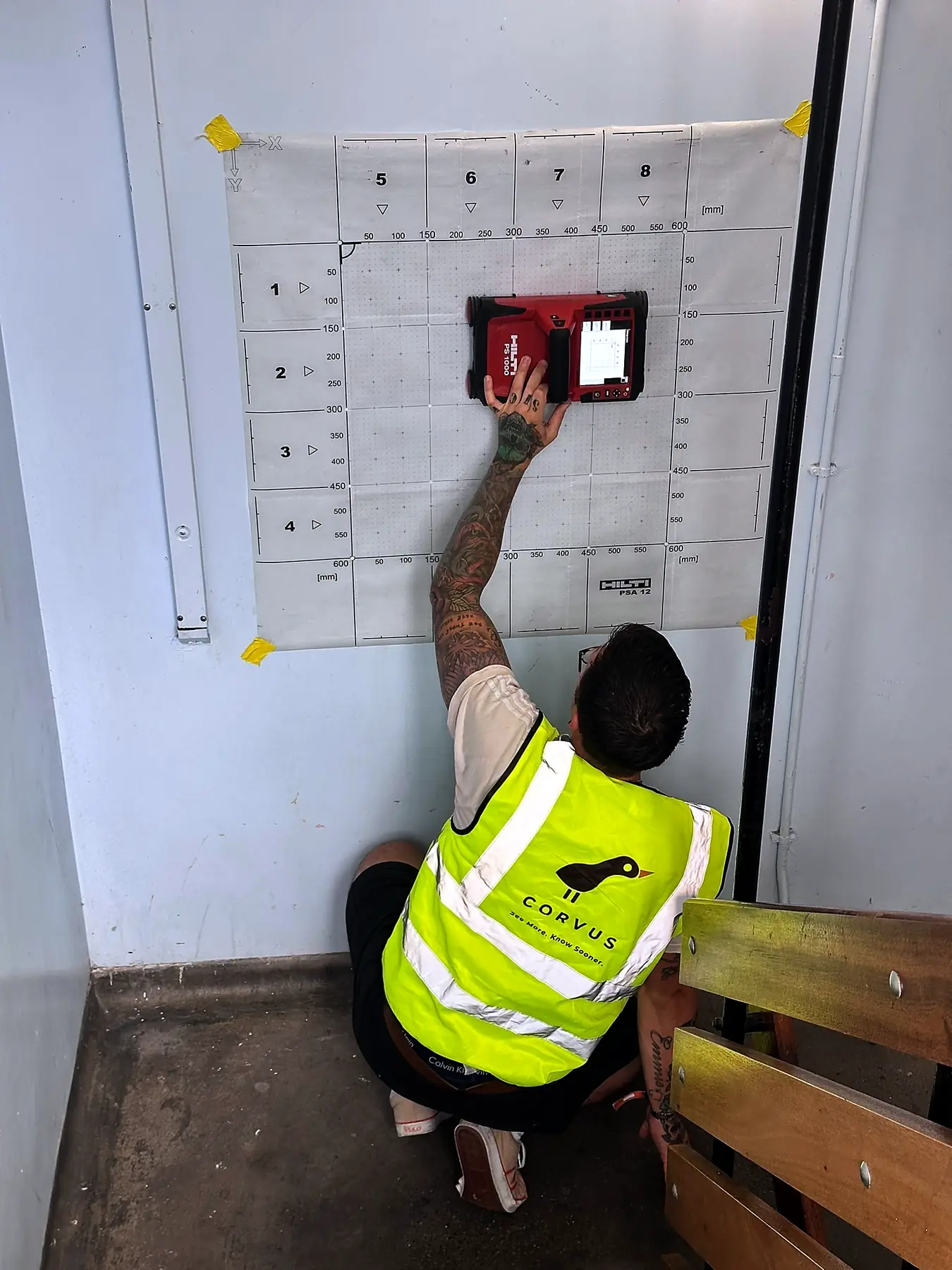
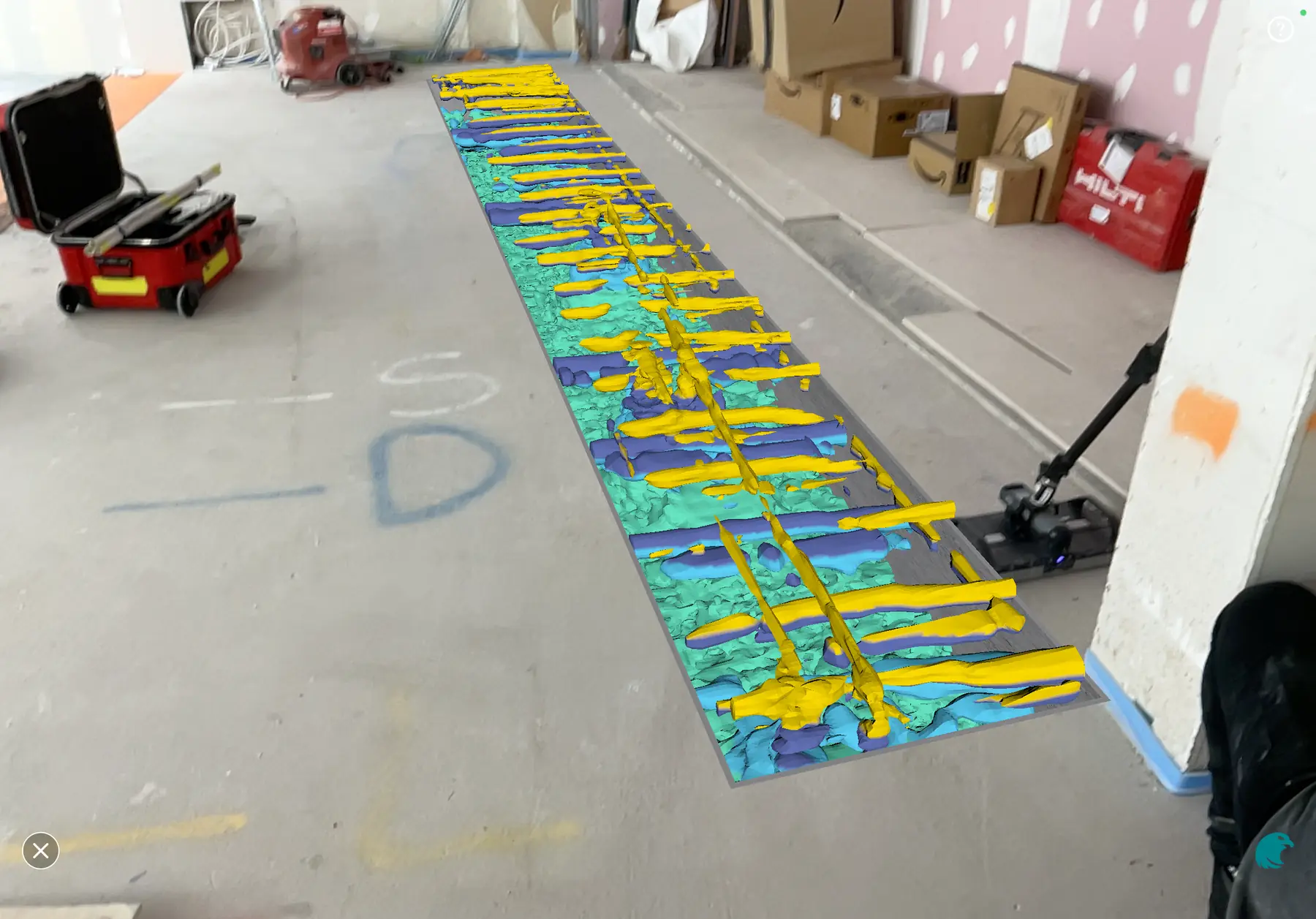
Rebar, post-tension tendons, conduits and voids located and marked before you cut, core or drill. Hilti PS 1000 X-Scan and Proceq GP8100.
Learn moreFerro Scanning
Cover depth, bar spacing and estimated bar diameter, logged and plotted for your engineer. Hilti PS 300 Ferroscan.
Learn morePAS 128 Utility Surveys
Electromagnetic and GPR detection to PAS 128:2022, from a records search to a Type B drawing you can dig to. Radiodetection RD8200 and Proceq GS8000.
Learn moreConcrete Testing
Pull-out, rebound hammer and core sampling with UKAS laboratory strength results.
Learn moreThe kit, named.
You are paying for the instrument, the person reading it and the software that writes it up. Our own software reads the scan data, flags likely targets for the surveyor to confirm, and builds the PDF and DXF. The surveyor who did the scan signs every report. About Corvus Insights.
Hilti PS 1000 X-Scan
Live imaging of rebar, tendons, conduit and voids to 300 mm in dry concrete.
Proceq GP8100
Six-channel GPR to 80 cm for large slabs, decks and post-tension floors, with data kept for the report.
Hilti PS 300 Ferroscan
Cover depth and bar diameter estimation to 200 mm, calibrated each session.
Radiodetection RD8200 and Proceq GS8000
Utility detection to PAS 128:2022, positions fixed by GNSS RTK.
Specialists who know what a struck tendon costs.
We came into scanning from the site side, so we know what a drilling crew needs painted on the slab and what an engineer needs in the report. We scan, we mark, we hand over a report your engineer can quote. Canary Wharf base, on site somewhere in the UK most days.
- SAME DAY
- Call-back on every enquiry
- ON SLAB
- Marks before we leave
- 5 DAYS
- Written report and CAD plan
Built for the people who carry the risk.
Structural engineers
Cover, bar size and tendon layout you can quote.
Drilling and cutting contractors
A cleared slab, marked up, before the crew arrives.
Housing associations
Structural evidence for the safety case, without opening up the building.
Retail and shopping centres
Scanned, marked and signed off before the shop-fitters start.
Groundworks and main contractors
A PAS 128 drawing you can dig to.
From phone call to deliverable in four steps.
- 1
Call
Tell us the structure, the question and the date. We call back the same working day with a price.
- 2
Attend
One surveyor, the right scanner, RAMS issued with the booking, planned around live works and occupied buildings.
- 3
Scan and mark
Findings marked on the slab in survey paint, a signed one-page site record and photos before we leave.
- 4
Report
Annotated PDF and DXF/DWG within 5 working days, signed by the surveyor who did the work. Sooner when the programme needs it; say so when you book.
Real surveys. Real sites.
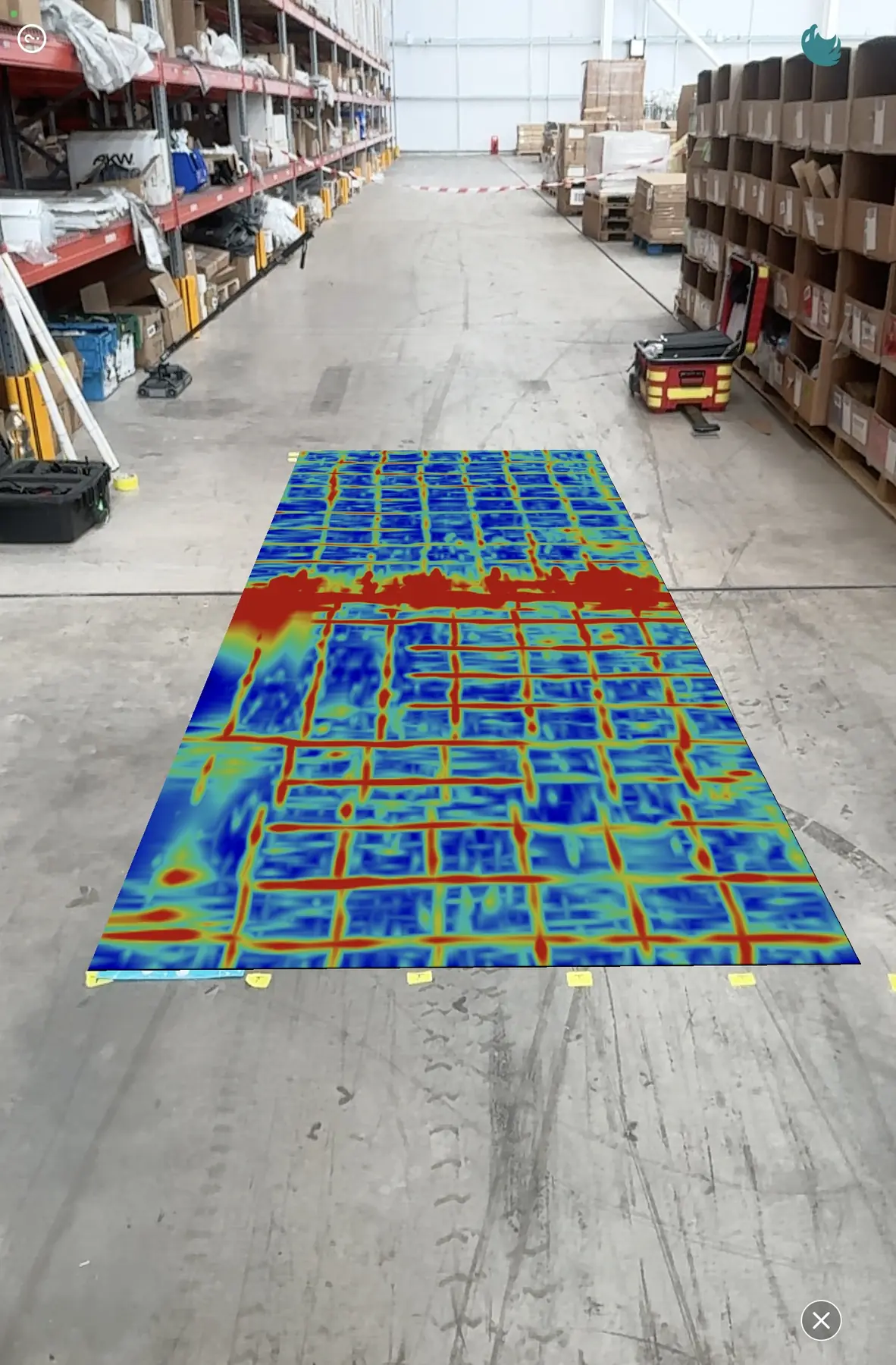
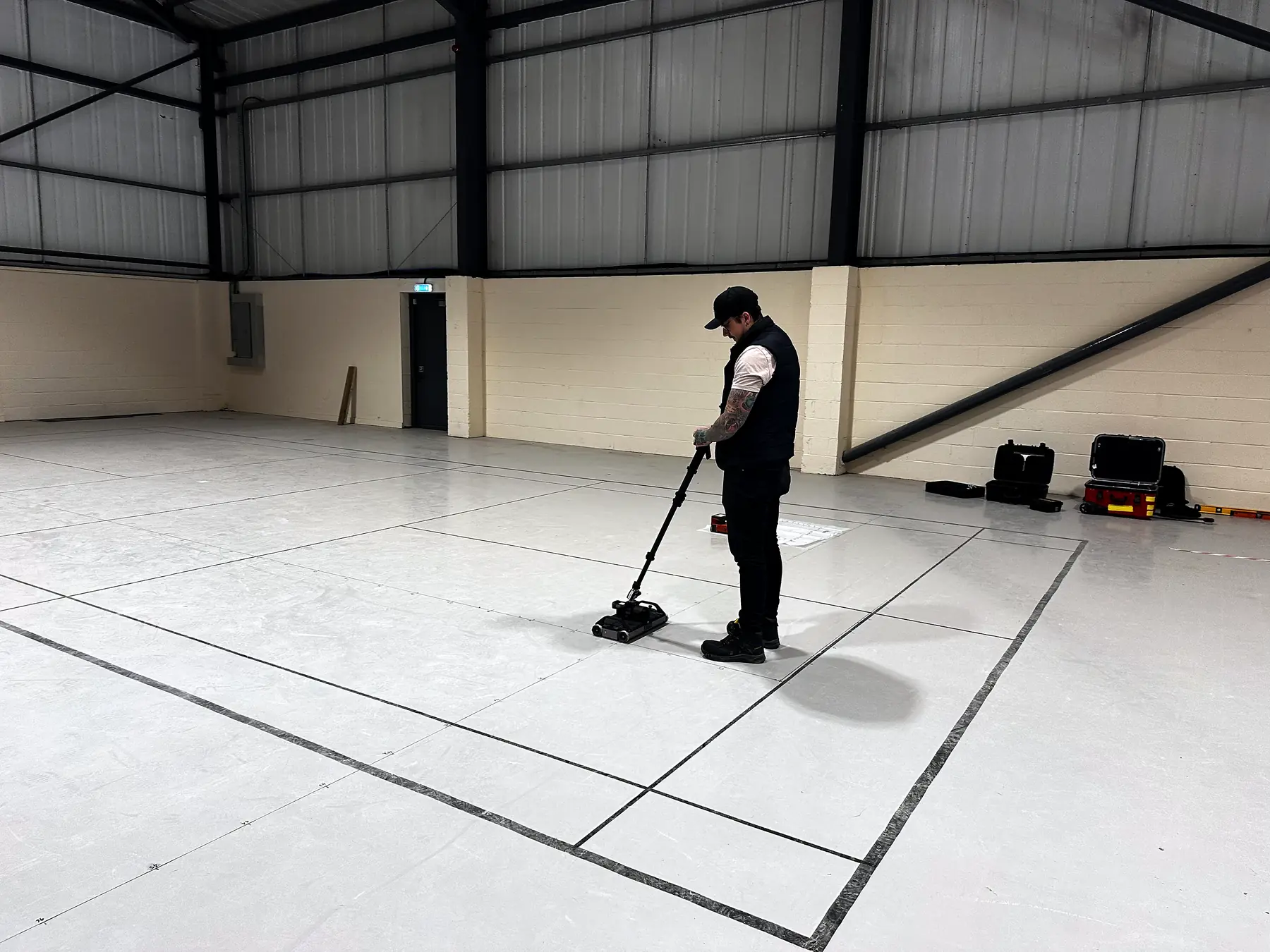
Real jobs. Real data.
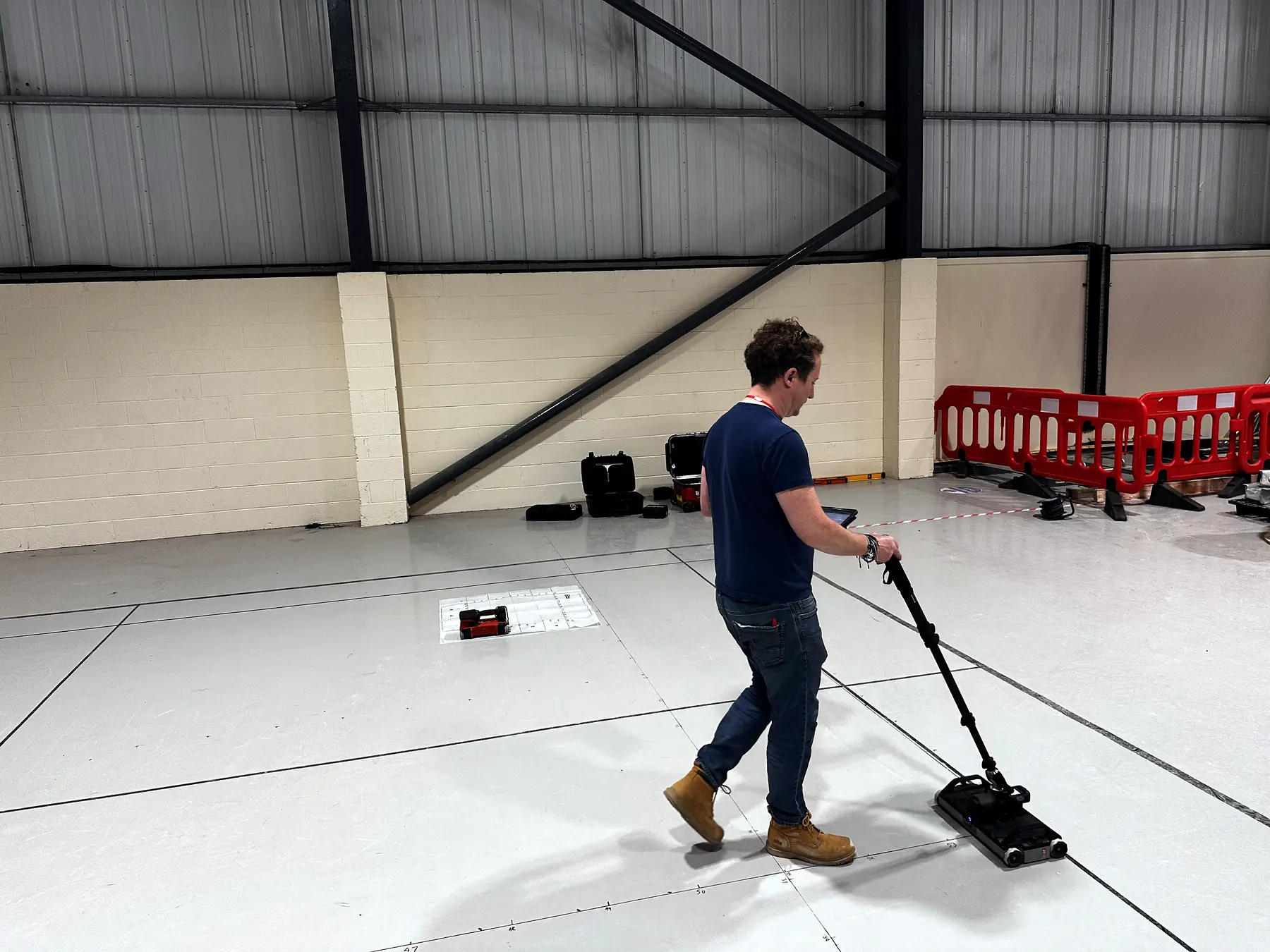
Scanning the joints of a warehouse slab that moves
A&H Construction and Developments were investigating slab joints that move under vehicle traffic on a warehouse floor in Droitwich. Corvus scanned across the joints with GPR to show what was in the concrete either side.
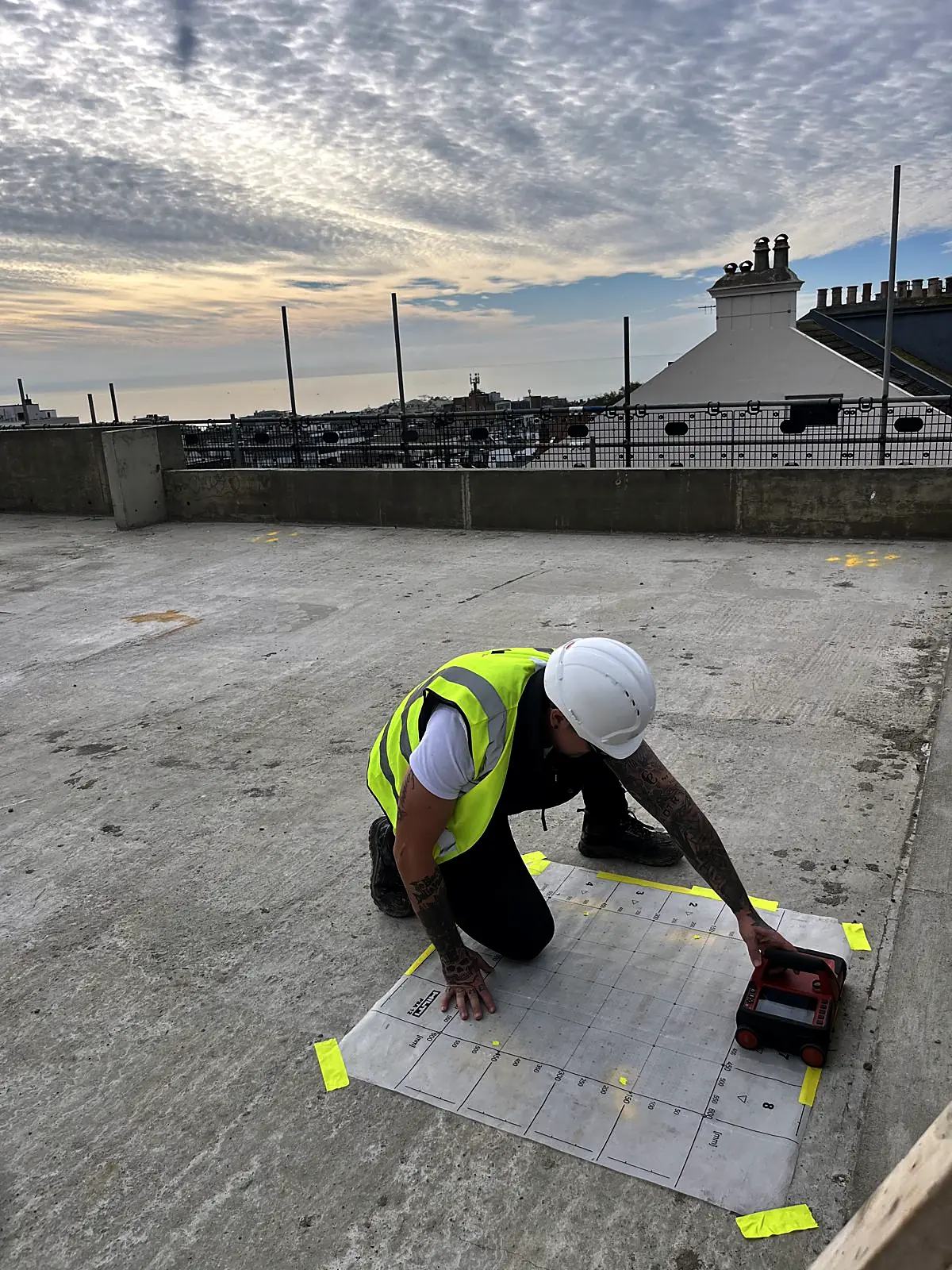
View case study Rebar mapped and marked on a Brighton roof slab
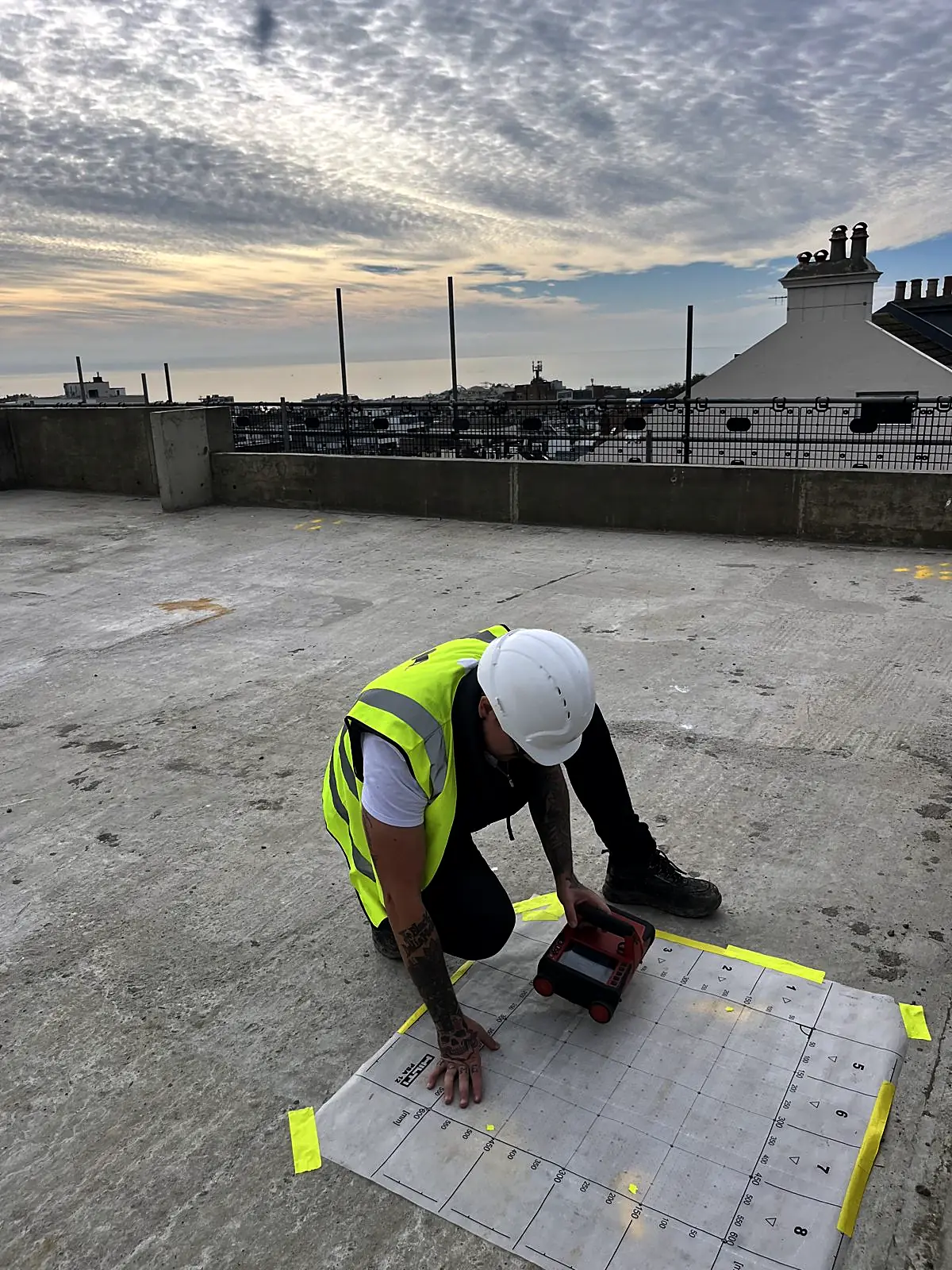
MH Construction needed the reinforcement in a roof slab on Buckingham Road, Brighton, mapped and marked before steelwork was fixed to it. Corvus scanned each position with Ferroscan and GPR and marked the bars on the concrete.
View case studyClearing a core through a post-tensioned slab in Pimlico
Keyshel Interiors needed a 127 mm core through a post-tensioned slab on Belgrave Road, Pimlico. Corvus scanned the slab to clear the position, then came back and drilled the core.
View case studyWhat our clients say
Corvus were great from start to finish. Needed a quick turnaround on a concrete survey with subsequent core hole to be drilled in a sensitive area. They attended next day and delivered their survey promptly in order for our project to stay on schedule. Highly recommend.
Fantastic experience working with Connor. He provided brilliant service, was highly efficient, and made the whole process seamless. It's rare to find someone so reliable and dedicated to quality work. 10/10 would recommend.
Contacted Corvus to use GPR to locate concrete supports laid under a porcelain patio to anchor pergolas to. Within minutes Terry called to discuss and advised they could attend within a week, with an honest caveat that it might not be possible depending on the materials. Terry and Connor attended on the agreed date, on time, and were a pleasure to deal with, professional, polite, friendly and conscientious. The majority of the footings were not where the landscaping contractors had led us to believe, so a worthwhile exercise indeed. Would thoroughly recommend.
Need a slab cleared this week?
Tell us the site and the date. We call back the same working day with a price and a method.